
Sandpiper Folk shares practical, down-to-earth guidance on uk folk, acoustic and roots music blog for readers across the UK.
- 0123456789
- Angle Bd Abdelmoumen & rue soumaya, Résidence
- [email protected]
Sandpiper Folk shares practical, down-to-earth guidance on uk folk, acoustic and roots music blog for readers across the UK.
 By Thomas Ashdown
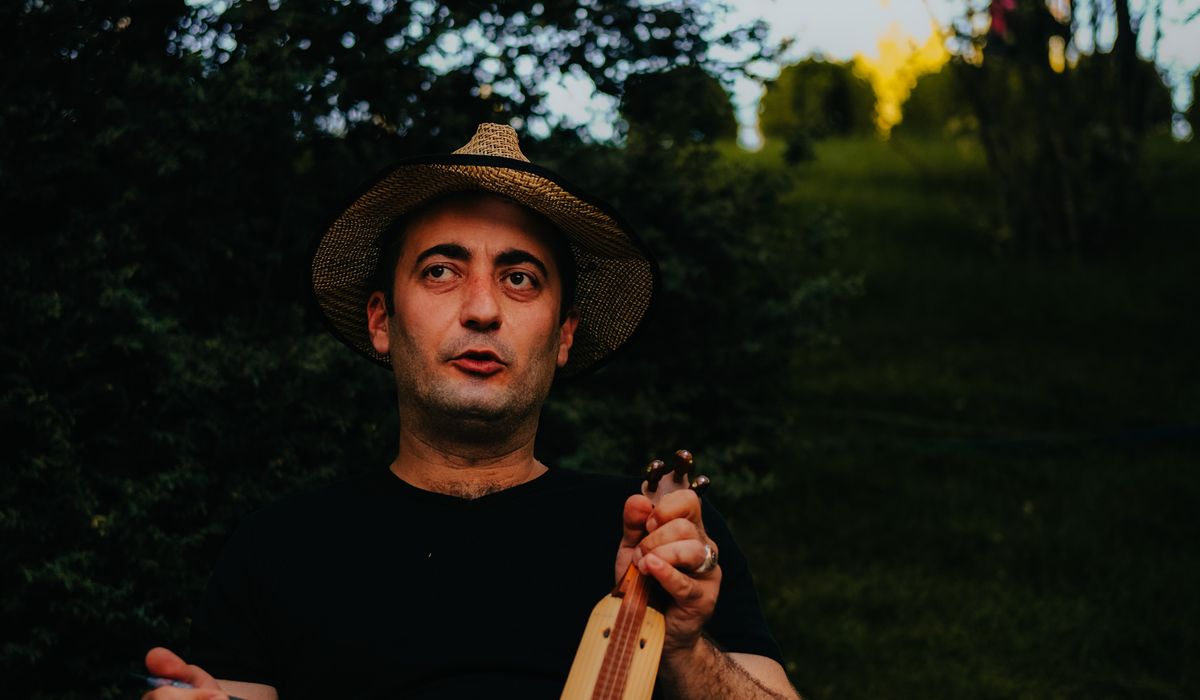
Anyone who has spent a night under canvas at a folk festival knows the sound of the morning after: a fiddle being tuned somewhere two tents away, a bodhrán being tapped experimentally, and the low hiss of a kettle on a camping stove. British folk festivals are a peculiar and lovely institution — part music festival, part village fete, part annual reunion of a community that has been meeting in the same field for decades.
Sizes vary enormously. Some gatherings fit into a village hall with a marquee in the adjacent paddock. Others sprawl across a coastal showground with half a dozen stages, a dance tent, a children's field and a campsite the size of a small town. What they share is an emphasis on participation. At most events the line between performer and audience is deliberately blurred, and a good half of the people queuing for the tea tent have an instrument in the boot of the car.
If you are new to the scene, it helps to know which kind of event you are booking. Most fall into one of four patterns.
The rhythm of a folk festival is different from a rock festival. Things start earlier and the emphasis is on doing as much as watching. A typical day might run like this:
Camping at a folk festival is generally calmer than at a mainstream music event, but a little planning goes a long way.
Most festivals announce their dates a year ahead and release early-bird tickets in the autumn, which can save a substantial amount on a family booking. Weekend camping tickets typically include all concerts, workshops and dances; only food, drink and the odd craft stall cost extra.
Day tickets are a good way to test the water, but they rarely give you the best of a festival. The magic tends to happen in the margins — the workshop you wandered into, the session that started at midnight, the friend you made over breakfast. If you can, go for the whole weekend and let the schedule loosen its grip on you.
Volunteering is another route in. Many events rely on stewards, gate staff and site crew, and in exchange you usually get your ticket, meals and a very good time. Applications often open in the spring, so keep an eye out early.
Sessions are the beating heart of the folk scene, and they have their own quiet conventions. Listen before you play, and wait for a natural pause before starting a tune. Learn the tune if you can, but sitting out a number you do not know is perfectly acceptable. Keep the volume sensible so quieter instruments and unaccompanied singers can be heard. Ask before recording.
And if you sing or play nothing at all, come anyway. Folk festivals are built on people who came to listen, and stayed because they felt at home.


We are not gonna make spamming
